
Skilled professionals leave even when salary, title, and benefits match the competition. The turnover data points somewhere uncomfortable: past a certain pay level, experience beats the package — and much of that experience happens in the space.
Look closely at exit data and a pattern emerges. Above a certain salary threshold, the financial offer stops being the deciding factor. What decides is the day-to-day experience of the work — and a large part of that experience plays out in the physical place where people spend most of their waking hours. Smart companies have started to treat a well-designed office not as vanity, but as a retention strategy as potent as stock options.
The space is part of your EVP
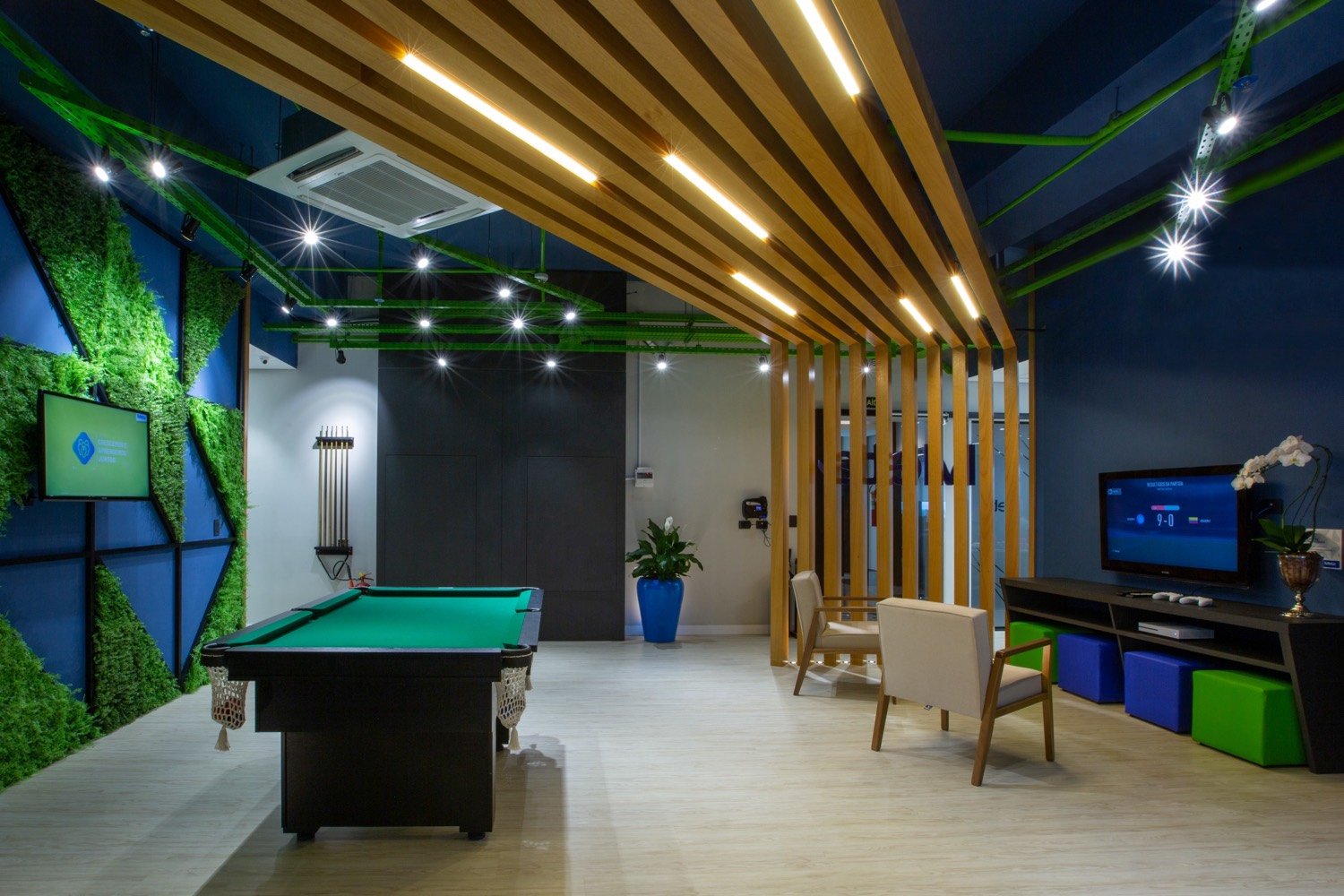
The office should be understood as an extension of the Employee Value Proposition. A space that supports well-being, respects different working styles, and offers autonomy communicates — silently, constantly — how much the company values its people. A neglected space communicates the opposite: that people are interchangeable. On the Agrotis project, the goal was never just function. It was to create an environment that produced belonging — the kind that makes an employee think twice about an outside offer.
A physical space isn't just a cost. It's a strategic asset that can optimize operations, retain the best talent, and make a company's culture tangible.
Signs your space is pushing talent out
- Teams prefer to work from home because "they get more done there."
- Your best people are rarely in the office.
- New hires start excited and fade within weeks.
These signals are usually blamed on culture or leadership. But the space can be the catalyst. The culture may be solid — and the physical environment simply fails to hold it up.
The math of retention by design
Here's where it stops being soft. The cost to replace a skilled professional runs between 30% and 150% of their annual salary, once you account for recruiting, ramp-up, lost productivity, and institutional knowledge walking out the door.
Take a 100-person team with an average salary of $120,000 and 20% annual turnover. That's 20 people a year, at a replacement cost of roughly $36,000 to $180,000 each — somewhere between $720,000 and $3.6 million every year. A strategic design project that cuts turnover by just five points pays for itself many times over. Compared with the cost of churn, investment in strategic architecture becomes one of the best financial decisions on the table.
The question for HR
So the real question isn't whether you can afford to invest in the space. It's this: how much of your retention budget is allocated to it?