
The biggest risk isn't financial. It's the invisible chaos — the uncertainty that drains time, energy, and trust from everyone involved.
Ask any executive who has lived through a corporate fit-out and they'll tell you the budget overrun was the part they saw coming. What blindsided them was everything around it: the weeks of ambiguity, the decisions that kept bouncing between parties, the sense that no one was actually holding the whole thing together.
The real problem: fragmentation
Most corporate builds are fragmented by default. Design, construction, project management, and suppliers all operate independently — each accountable for their slice, none accountable for the result. When something slips, it triggers an institutionalized blame game: the contractor points at the drawings, the designer points at the site, the supplier points at the schedule. The client is left holding a problem that, officially, belongs to no one.
The costs you don't see on the spreadsheet
A delay is never only financial. It means teams working in unfinished, sub-par conditions. Launches and events pushed back. Leadership confidence eroding meeting by meeting. A candidate who visits, senses the disorder, and declines. A client who forms a quiet, negative impression. None of it shows up as a line item — and all of it is more expensive than the overrun everyone was watching.
How OrbitA9 removes the uncertainty
This is exactly the risk OrbitA9 was built to neutralize. Instead of hoping the pieces coordinate themselves, it makes the whole build legible — through one integrated method:
- Periodic reports on a fixed cadence, so no one waits for bad news
- Mandatory checks at the close of each phase
- Documented sign-off for every scope change
- Clear visibility into status, progress, and the decisions still open
- Design authorship carried through construction — one author accountable for the project
The effect isn't just fewer surprises. It's a build where the client always knows where things stand — and where problems are surfaced weeks before they become crises.
A real case: Agrotis
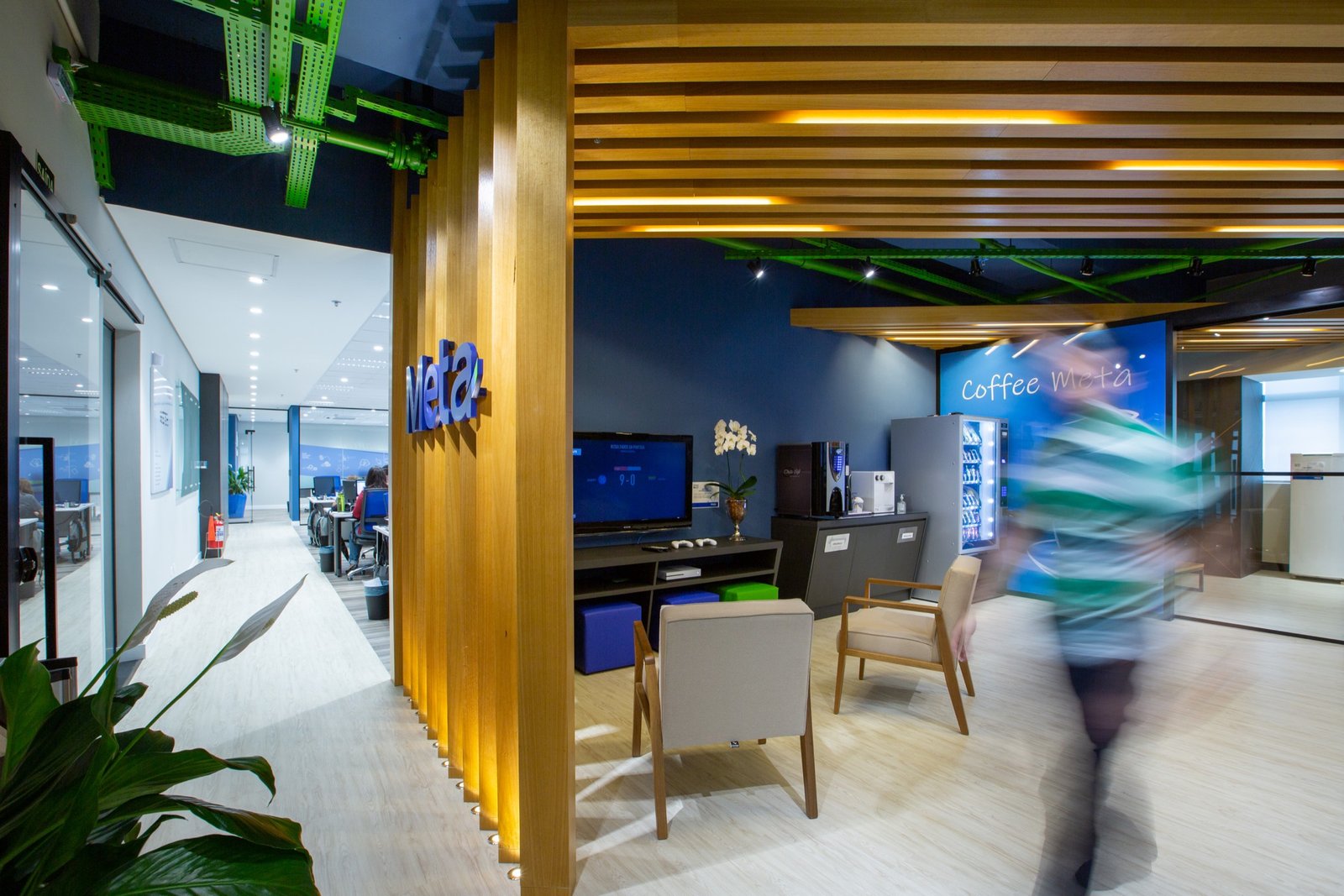
Agrotis — a software company with 35 years in the market — renovated its headquarters with A9 alongside from first sketches to move-in. With one author staying close through design and construction, and full visibility throughout, the project's hardest moments were caught early and solved with room to think, rather than negotiated in emergency mode on site.
So before you approve your next build, ask four questions: Who is accountable for the whole? Is there periodic visibility? Are problems anticipated, not just reported? And is there a method — or only promises?
For the people who have to decide, predictability isn't a luxury. It's a condition. The process matters as much as the result.